
Poverty Watch Norway | Poverty Watches Overview 2020 & 2021
2021 According to AROPE statistics, 15.6 per cent of the population had a risk of ending up in poverty or social exclusion in 2019. The proportion has been increasing since…

2021 According to AROPE statistics, 15.6 per cent of the population had a risk of ending up in poverty or social exclusion in 2019. The proportion has been increasing since…

IFSW Europe has a focus on the role of social work and social care. Human rights and social justice are critical in any social workers thinking and actions. Social workers…

The COVID-19 pandemic has altered realities and everyday lives of people around the globe, revealing more clearly gaps in resilience among social groups due to the inequalities, weaknesses of public…
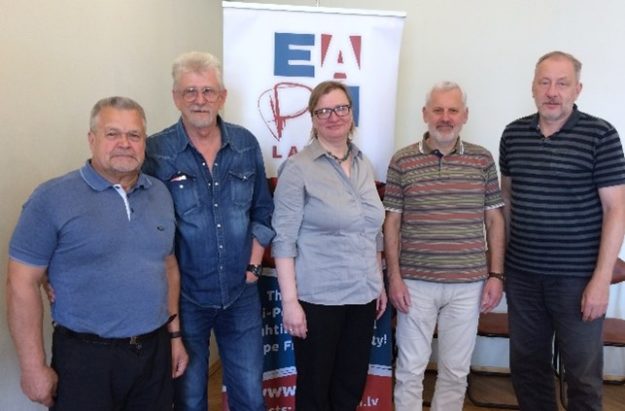
On 25 June 2020 the Latvian Constitutional Court ruled that the current Guaranteed Minimum Income (GMI) currently set at 64€ per month is too low to ensure a life in…

The poverty levels throughout the European Union increase significantly. Even prior to the pandemic, 109 million people in Europe were at risk of poverty and social exclusion. Covid-19 only aggravated…

Challenge Poverty Week In the run up to the International Day for the Eradication of Poverty, Scotland organised the ‘Challenge Poverty Week’. Throughout this week, hundreds of events took place…

On 9 May, we celebrated the European Union and its values of respect for human dignity and human rights, freedom, democracy, equality and the rule of law. We hope that in the…
What is the EAPN Poverty Watch Report? The EAPN Poverty Watch Reports do not attempt to provide a comprehensive academic report on poverty. They start from the reality of people…
On the occasion of World Social Work day (20 March), IFSW Europe has released a statement “Social workers for transformational and sustainable social protection in Europe.”

19/11/2015 – Eighteen months into the Scottish Living Wage Accreditation Initiative, employers across Scotland are reporting the business benefits of paying the Living Wage, including dramatic improvements in staff retention and absence rates, and increased productivity.